



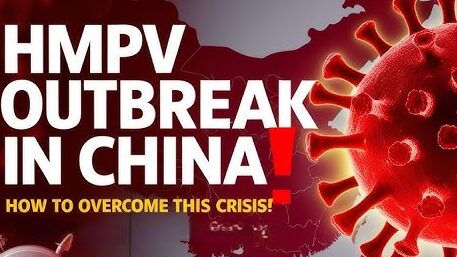
The world is on edge yet again as reports from China highlight a concerning surge in respiratory illnesses, including the Human Meta-Pneumovirus (HMPV). This development has raised alarms, evoking memories of the early days of the COVID-19 pandemic. This blog delves into HMPV, its symptoms, how it spreads, the current situation in China, and what precautions we can take to protect ourselves and prevent another global health crisis.
What is HMPV?
HMPV, or Human Meta-Pneumovirus, belongs to the Pneumoviridae family of viruses and is closely related to the respiratory syncytial virus (RSV). This RNA virus is single-stranded and negative-sense, primarily affecting the respiratory system. Although HMPV has been with us for decades, having been discovered by Dutch scientists in 2001, its potential for causing severe respiratory infections has recently gained global attention.

Who is Most Vulnerable?
HMPV poses a particular threat to:
- Children under 14 years old: Their developing immune systems make them more susceptible.
- Elderly individuals (55+ years): Older adults are at higher risk with weakened immunity.
- People with compromised immune systems: Those with chronic illnesses or undergoing treatments that lower immunity are especially vulnerable.
Symptoms and Transmission Of HMPV
The symptoms of HMPV closely resemble those of the flu and COVID-19, which can lead to confusion and delays in diagnosis. Key symptoms include:
- Cough
- Fever
- Fatigue
- Runny nose
- Sore throat
- Difficulty breathing
Like COVID-19, the virus primarily spreads through respiratory droplets when infected coughs or sneezes; tiny droplets carrying the virus can land on surfaces or directly infect others through inhalation.
Current Situation in China
Reports indicate a significant surge in HMPV cases in northern China, particularly among children and older people. The virus spread rapidly between December 16 and December 22, 2024, contributing to widespread respiratory issues and straining healthcare systems. While official data from Chinese authorities remains limited, media outlets and social media platforms have been rife with unverified videos showing overcrowded hospitals and overwhelmed crematoriums.
In a grim reminder of the early days of COVID-19, the lack of transparency from China has fueled international concern. Approximately 7,834 cases have been reported, with 170 deaths attributed to this outbreak, prompting calls for greater vigilance and international cooperation.
How Can We Protect Ourselves?
Since no specific antiviral treatment or vaccine exists for HMPV, prevention is our best defence. Lessons learned during the COVID-19 pandemic can be applied to mitigate the spread of HMPV:
- Hand Hygiene: Wash your hands regularly with soap and water for at least 20 seconds. Do not touch your face with unwashed hands.
- Social Distancing: Maintain distance from individuals showing symptoms of respiratory illness.
- Surface Cleaning: Frequently clean high-touch surfaces like door handles, toys, and mobile devices.
- Mask Wearing: Use masks in crowded or high-risk areas to reduce the risk of transmission.
- Healthy Lifestyle: Boost your immunity by eating a balanced diet, getting adequate sleep, and exercising regularly.
Comparing HMPV with COVID-19
While HMPV and COVID-19 share similarities in symptoms and transmission methods, there are key differences:
- Origins: COVID-19 is caused by the SARS-CoV-2 virus, while HMPV has been an established respiratory virus since 2001.
- Severity: COVID-19’s global spread and high mortality rate were exacerbated by its novelty, while HMPV has a milder impact but still poses significant risks to vulnerable groups.
- Vaccines for COVID-19 have been developed, but no vaccine currently exists for HMPV.
The Role of International Organizations and Governments
World Health Organization (WHO)
The WHO has been criticised for its delayed response during the early stages of the COVID-19 pandemic. Learning from past mistakes, the organisation urges China to be transparent and maintain global alert levels. However, adequate measures depend on affected countries’ timely and accurate information sharing.
Government Actions
Countries must take proactive measures to prevent the international spread of HMPV. Key steps include:
- Enhanced Screening: Rigorous health screenings at airports and borders.
- Preparedness: Strengthening healthcare systems to handle potential surges in cases.
- Research Investment: Funding studies to develop vaccines and treatments for HMPV.
Conclusion
The rise of HMPV is a stark reminder of the vulnerabilities exposed by the COVID-19 pandemic. While HMPV is not new, its recent surge underscores the need for vigilance, transparency, and global cooperation. We can mitigate the risks and protect public health by applying preventive measures and learning from past experiences.


