



Chhatrapati Shivaji Maharaj – The Man Who Defined an Era
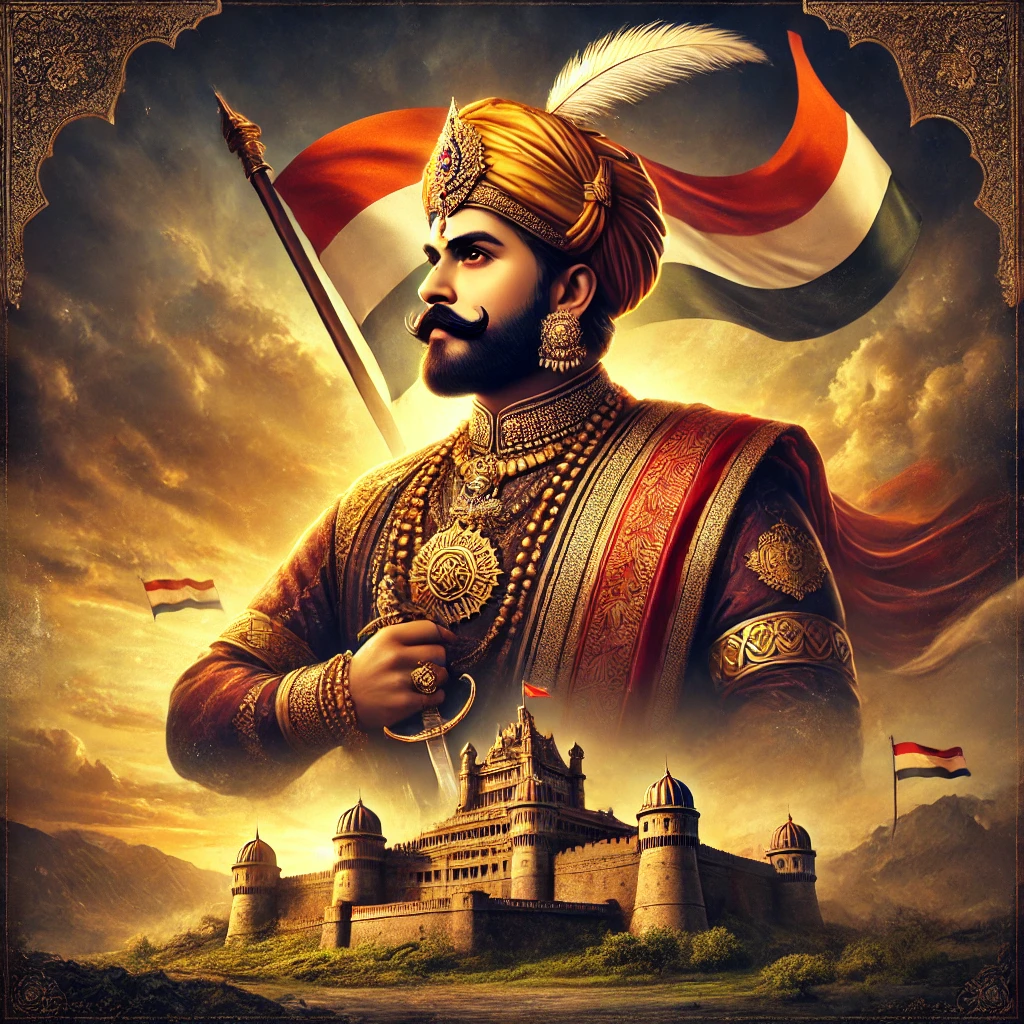
The name Chhatrapati Shivaji Maharaj evokes a sense of pride, reverence, and inspiration. Even after 350 years since his coronation on June 6, 1674, he continues to be celebrated as one of the greatest leaders in Indian history. But why does his legacy still hold such power? What made him so different from other rulers of his time? His story is not just about battles and conquests but about his ethics, governance, military prowess, and vision of Swaraj (self-rule).
The Birth of a Visionary Leader
Shivaji Maharaj was born in 1630 to Shahji Bhonsle and Jijabai. His father was a noble under the Deccan Sultanate, but it was his mother, Jijabai, who played a crucial role in shaping his character. From a young age, Shivaji was instilled with values of courage, righteousness, and patriotism. Jijabai often narrated stories from Hindu epics like the Ramayana and Mahabharata, which inspired young Shivaji to dream of a kingdom where his people could live with dignity and freedom.
The First Sparks of Swaraj
At just 15 years old, Shivaji displayed his military brilliance by capturing his first fort. Despite his father serving the Adil Shahi Sultanate, he saw their rule as foreign oppression and aimed to establish Hindavi Swaraj (self-rule for his people).
This was not a quest for power or wealth; Shivaji Maharaj’s vision was to free the land from tyranny and ensure justice for his people. Soon, he built the Rajgad Fort and strategically captured several others, marking the beginning of the Maratha Empire.
The Clash with Adil Shah and Aurangzeb
The Afzal Khan Encounter: A Masterstroke of Strategy
Seeing Shivaji’s growing power, Adil Shah of Bijapur sent his most ruthless general, Afzal Khan, to eliminate him. Afzal Khan, known for his brute strength, invited Shivaji for a meeting under the guise of peace talks.
Sensing a trap, Shivaji wore a concealed armor and carried the deadly baghnakh (tiger claws). When Afzal Khan attempted to stab him, Shivaji swiftly countered and killed the general, marking a defining moment in Maratha history.
The Battle with Aurangzeb: A Test of Resilience
The Mughal Emperor Aurangzeb, one of the most powerful rulers of his time, saw Shivaji as a threat. The two first clashed in 1657, where Shivaji suffered a defeat. However, Aurangzeb was preoccupied with succession battles within his empire, allowing Shivaji to regroup and strike back with greater force.
Shivaji’s daring escape from Agra in 1666, where he was held captive by Aurangzeb, is legendary. He used brilliant disguise tactics and deception, proving his strategic genius once again.
A King of Unparalleled Ethics
While many rulers were known for their conquests, Shivaji Maharaj is remembered for his moral values and ethics. He ensured that his army followed a strict code of conduct:
- Respect for Women: Unlike many invaders who treated women as war booty, Shivaji strictly enforced respect for women of all communities. Even in war, captured women were treated with dignity and safely returned to their families.
- No Religious Discrimination: Despite being a proud Hindu ruler, he never persecuted other religions. He respected Muslim saints, granted them land, and ensured their mosques remained untouched.
- No Looting of Places of Worship: Unlike the Mughal plunderers, Shivaji instructed his soldiers never to harm temples, mosques, or churches.
- Justice and Discipline: Any misconduct in his army was met with severe punishment, ensuring a disciplined and ethical force.
Governance: The Backbone of His Empire
Shivaji Maharaj was not just a warrior but also a visionary administrator. He built a strong and efficient governance system:
- Ashtapradhan (Council of Eight Ministers): He formed a structured government with specialized ministers handling various aspects like finance, foreign affairs, defense, and justice.
- Fort-Based Strategy: His empire was strategically built around forts that provided security and a stronghold in difficult terrains.
- Naval Power: He established India’s first modern navy, recognizing the importance of coastal defense.
- Taxation Policies: Unlike the Mughal system of heavy taxation, his policies were fair and ensured economic growth.
Chhatrapati Shivaji Maharaj- Stance Against Social Evils
Shivaji Maharaj’s progressive thinking was ahead of his time:
- Opposition to Sati: When his mother Jijabai wanted to commit Sati after his father’s death, he stopped her and actively discouraged the practice.
- Women’s Council (Mahila Panchayat): He established councils where women could raise their concerns and have a voice in governance.
Shivaji and Religious Harmony
While he was a staunch follower of Hindu Dharma, he never disrespected other religions. His inclusivity was evident in his administration:
- His navy was led by a Muslim commander, Daulat Khan.
- His chief of artillery was Ibrahim Khan, a Muslim.
- He protected the Quran whenever it came into his hands during raids.
- He provided land grants to Muslim saints without expecting anything in return.
Why is Shivaji Maharaj Still Celebrated?
Even after 350 years, Shivaji Maharaj’s legacy continues to inspire millions. Here’s why:
- The Spirit of Swaraj: His dream of self-rule and independence resonates deeply, especially in a country that fought colonial rule centuries later.
- Ethical Leadership: In an era where leaders often resorted to cruelty, he proved that power can be exercised with honor and fairness.
- Warrior and Administrator: Unlike many kings who excelled only in war, he was also an excellent administrator and reformer.
- Equality and Justice: His governance promoted equal opportunities for all, regardless of caste or religion.
- Role Model for Today’s Leaders: His governance, military tactics, and policies serve as an example for modern leadership.
Time to Recognize ‘Shivaji the Great’
We often hear about Akbar the Great, Ashoka the Great, and Raja Raja the Great. But isn’t it time we officially recognize Shivaji Maharaj as “Shivaji the Great”?
His values, courage, and leadership are a beacon of light even today. His vision of Swaraj, ethical governance, and religious harmony are ideals that India and the world can still learn from.
As we celebrate 350 years of his coronation, let’s continue to honor his legacy by spreading his teachings and values. Because true greatness lies not just in conquest, but in leading with justice, honor, and an unshakable moral code.
Jai Bhavani! Jai Shivaji!


