



Tardigrades, also known as water bears or moss piglets, are microscopic creatures that have fascinated scientists for centuries. These tiny organisms are famous for their extraordinary ability to survive extreme conditions that would be lethal to most other life forms. From the freezing vacuum of space to the scorching heat of boiling temperatures, tardigrades have demonstrated an almost supernatural resilience. But what makes them so indestructible? And why are scientists so intrigued by these tiny, water-dwelling creatures?
In this article, we will explore seven incredible reasons why tardigrades are the ultimate survivors of the animal kingdom and their potential implications for science, medicine, and even space exploration.
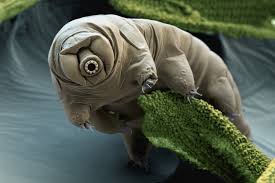
1. Microscopic Yet Mighty: The Basics of Tardigrades
Tardigrades are microscopic, water-dwelling animals that belong to the phylum Tardigrada. Measuring between 0.3 and 0.5 millimetres in length, they can be found in a wide range of environments, from the deep sea to the highest mountains and even in your backyard moss. Despite their small size, they have a complex anatomy, including a head, four pairs of stubby legs with claws, and a digestive system.
Discovered in the 18th century by German zoologist Johann August Ephraim Goeze, these creatures were later named “tardigrades” (meaning “slow stepper”) by Italian biologist Lazzaro Spallanzani. Since then, scientists have continued to study them, unveiling remarkable abilities that defy the limits of biology.
2. Extreme Survivors: Thriving in the Harshest Conditions
Tardigrades are best known for their ability to survive extreme environments. They can endure:
- Extreme temperatures: From -272°C (-458°F) to over 150°C (302°F)
- High radiation: Tardigrades can withstand doses of radiation far beyond what would be lethal to humans.
- Extreme pressure: They can survive pressures six times greater than those found in the deepest parts of the ocean.
- The vacuum of space: In 2007, tardigrades became the first known animal to survive the vacuum of space. Scientists sent them on the European Space Agency’s FOTON-M3 mission, and some individuals survived and even reproduced after returning to Earth.
- Dehydration and desiccation: Tardigrades can lose up to 97% of their water content and survive in a desiccated state for decades before rehydrating and continuing life as if nothing happened.
3. Cryptobiosis: The Superpower Behind Their Survival
Cryptobiosis is one of the most fascinating survival mechanisms of tardigrades—a state of suspended animation in which they can endure extreme conditions. When faced with dehydration or other harsh environmental factors, tardigrades curl up into a tun (a shrivelled ball) and drastically reduce their metabolic activity to 0.01% of their normal rate.
In this state, they produce a sugar called trehalose, which protects their cellular structures from damage. When conditions improve, tardigrades rehydrate and return to normal activity, even after decades in suspended animation.
4. Space Exploration: Could Tardigrades Help Us Colonize Other Planets?
Since tardigrades can survive in space, researchers are investigating their potential role in space exploration. Understanding how these creatures withstand extreme radiation and dehydration could offer insights into developing life-supporting technologies for future interplanetary missions.
Some scientists even speculate that tardigrades could be sent to Mars to test the viability of life on the Red Planet. Their resilience might provide clues on how to sustain human life in extraterrestrial environments.
5. Medical and Genetic Implications: Lessons from the Indestructible
Tardigrades’ ability to withstand radiation and desiccation has sparked interest in medical research. Scientists have identified unique proteins in tardigrades, such as Dsup (damage suppressor protein), which protects their DNA from radiation-induced damage. This discovery has potential applications in:
- Developing radiation-resistant therapies for cancer treatment.
- Protecting human cells during long-duration space travel.
- Enhancing organ preservation techniques for transplants.
6. The Role of Tardigrades in Earth’s Ecosystem
Although tardigrades are microscopic, they play an important role in the ecosystem. Found in soil, freshwater, and marine environments, they contribute to nutrient recycling by feeding on bacteria, algae, and small organic matter. By breaking down these materials, they help maintain the balance of microbial life, which is essential for healthy ecosystems.
Furthermore, studying tardigrades can give us valuable insights into how life can adapt to changing environmental conditions, which is crucial in the face of climate change.
7. Are Tardigrades the Last Survivors on Earth?
Some scientists believe that if a catastrophic event were to wipe out most life on Earth—such as a massive asteroid impact, supernova radiation burst, or nuclear disaster—tardigrades might be among the last surviving organisms. Their ability to withstand extreme conditions suggests that they could persist long after other species have perished.
A 2017 study published in Scientific Reports concluded that tardigrades could survive global extinction events, making them one of the most resilient life forms known to science.
The Smallest Yet Most Resilient Creatures on Earth
Tardigrades may be tiny, but their ability to survive where no other animal can makes them some of the most remarkable creatures on the planet. From their near-invulnerability to extreme conditions to their potential applications in medicine and space exploration, these microscopic beings continue to astonish scientists and inspire discoveries.
As we continue to study tardigrades, we may unlock secrets that could help us adapt to harsh environments, improve medical treatments, and even explore the cosmos. Whether on Earth or beyond, tardigrades remind us that resilience comes in all sizes—even the tiniest ones.


