



Pongal, a harvest festival celebrated predominantly in Tamil Nadu, India, is more than just a festival; it is a vibrant celebration of nature, gratitude, and prosperity. With its roots tracing back to the ancient Sangam era, Pongal holds a special place in the hearts of millions. In this comprehensive guide, we explore seven surprising facts about Pongal, unravelling its rich history, cultural significance, and timeless traditions that make it an extraordinary celebration.
1. The Ancient Origins of Pongal
Pongal is one of the oldest festivals in Tamil culture, with its origins rooted in the Sangam era (circa 200 BCE to 200 CE). Known as “Indiravizha” during this period, the festival was a grand celebration of nature and community.
- Indiravizha: In Sangam literature, Indiravizha was a festival dedicated to cleansing the village, constructing sand castles, and celebrating for 28 days.
- Natural Reverence: The festival emphasized the worship of nature, reflecting the Tamil people’s deep connection with their environment. Trees, rivers, animals, and even celestial bodies were regarded as sacred.
Pongal’s transition from Indiravizha to its current form demonstrates its evolution while preserving its core values of gratitude and community.
2. The Meaning Behind the Name “Pongal”
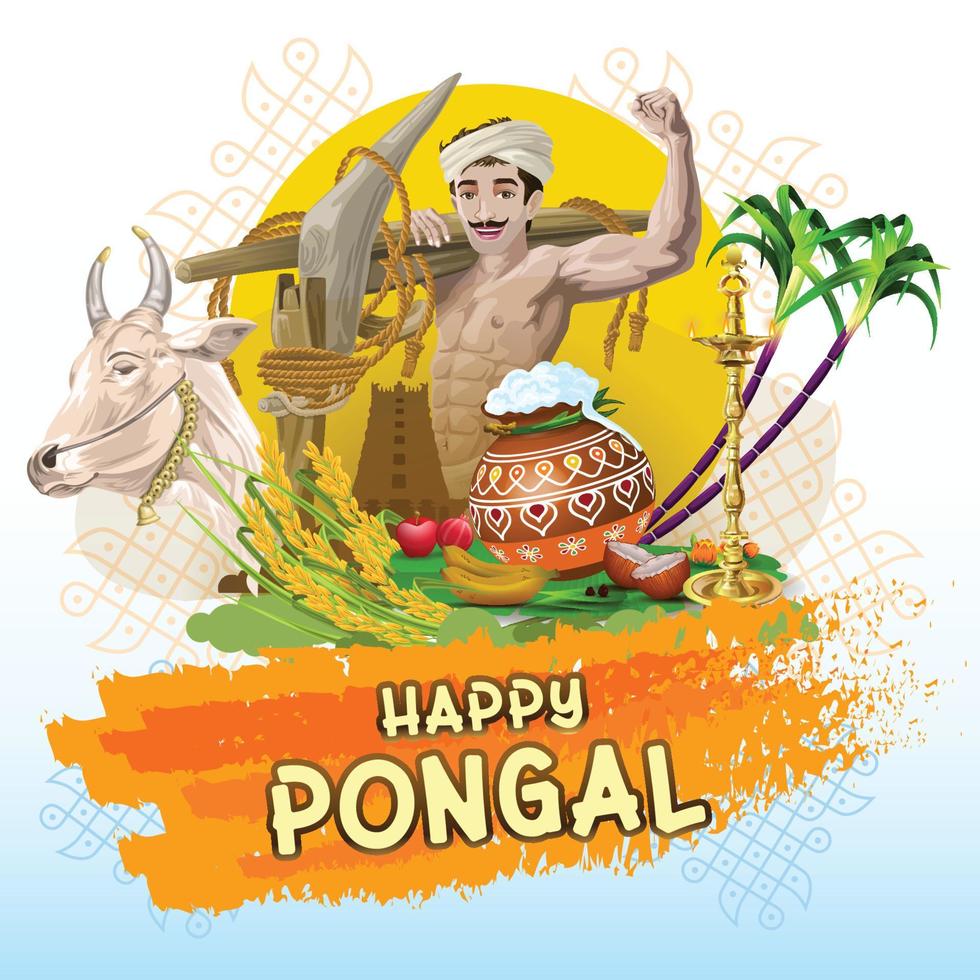
The name “Pongal” derives from the Tamil word “pongu,” meaning “to boil over.” This refers to the traditional dish made of freshly harvested rice, milk, and jaggery, which is allowed to boil over as a symbol of abundance and prosperity.
- Culinary Significance: The dish, known as “Pongal,” serves as the centrepiece of the festival, representing the harvest’s bounty.
- Symbolism: The boiling over of milk signifies prosperity, joy, and the overflowing blessings of nature.
This simple yet powerful tradition encapsulates the spirit of Pongal—a celebration of life’s richness.
3. The Multi-Day Celebration
Pongal is celebrated over four days, each with its unique rituals and significance:
- Day 1: Bhogi Pongal
- A day of cleansing and renewal, where old possessions are discarded to make way for new beginnings.
- Day 2: Thai Pongal
- The main day of the festival is dedicated to preparing and offering the Pongal dish to the Sun God, Surya.
- Day 3: Mattu Pongal
- A day to honour cattle, which play a vital role in agriculture. Cows and bulls are decorated, fed, and worshipped.
- Day 4: Kaanum Pongal
- A day of socializing, where families and communities gather to strengthen bonds and enjoy festive outings.
Each day highlights different aspects of Tamil life, from agricultural gratitude to social unity.
4. Pongal and the Women of Tamil Nadu
In Tamil culture, Pongal has long been associated with women’s empowerment and participation. During the Sangam era, women played a central role in organizing and celebrating this festival.
- Vows and Rituals: Women observed vows and conducted rituals to express gratitude to nature and seek prosperity for their families.
- Social Harmony: The festival encouraged women to reconcile conflicts and strengthen familial and community relationships.
Even today, Pongal continues to celebrate women’s contributions, making it a festival of unity and mutual respect.
5. Pongal Beyond Tamil Nadu
Though deeply rooted in Tamil culture, Pongal’s essence transcends regional boundaries. The festival is celebrated in various forms across India:
- Makar Sankranti: In states like Andhra Pradesh, Telangana, Odisha, and Madhya Pradesh, Pongal is celebrated as Makar Sankranti, marking the Sun’s transition into Capricorn.
- Universal Spirit: Pongal is not tied to any particular religion; it is a festival of gratitude celebrated by all farmers and nature lovers.
This universality highlights Pongal’s inclusive spirit, uniting people across cultures and communities.
6. Historical Records and Cultural Significance
Pongal’s rich history is documented in ancient texts and inscriptions:
- Silapathikaram: This Tamil epic refers to rituals like “Puzhukal,” an early name for Pongal, emphasizing its longstanding importance.
- Inscriptions and Literature: Inscriptions from the Rajaraja Chola period and Bhakti-era texts provide evidence of Pongal’s cultural and spiritual significance.
- Evolution: Over centuries, Pongal evolved from a community-based agrarian festival to a broader celebration of nature and gratitude.
7. The Timeless Message of Pongal
At its core, Pongal is a festival of gratitude—to the Sun, the Earth, and all the elements that sustain life. It reminds us of our interconnectedness with nature and the importance of giving thanks.
- Environmental Connection: Pongal emphasizes sustainable living and harmony with the environment.
- Cultural Pride: For Tamil people, Pongal is not just a festival but a symbol of their heritage and identity.
Pongal–A Festival for All
From its ancient origins to its modern-day celebrations, Pongal remains a vibrant testament to Tamil culture and values. It is a festival that transcends boundaries, bringing people together to celebrate nature, community, and prosperity.
Whether you’re Tamil or not, Pongal offers valuable lessons on gratitude, harmony, and the joy of giving. This year, let us all embrace the spirit of Pongal and celebrate its timeless message of unity and abundance.
Happy Pongal!


