



10 Essential Facts About Scrub TyphusThe Silent Menace Spreading in Tamil Nadu
As Tamil Nadu experiences a concerning rise in scrub typhus cases, spreading awareness about this bacterial infection, its symptoms, and preventive measures is crucial. Known as the “silent menace,” scrub typhus is not new but has resurfaced alarmingly in rural and urban areas.
Explore the top 10 essential facts to understand and combat this health challenge.
What is Scrub Typhus?
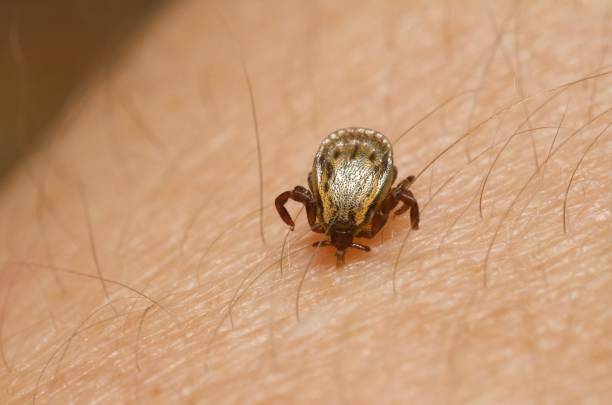
Scrub typhus, or bush typhus, is caused by the bacteria Orientia tsutsugamushi. The infection is common in the Tsutsugamushi Triangle, a region encompassing Japan, Australia, Southeast Asia, and the Indian subcontinent. The disease is transmitted to humans through bites from infected larval mites, also known as chiggers.

Why is Tamil Nadu Facing a Surge in Cases?
Several districts, including Chennai, Kanchipuram, Chengalpattu, and Tiruvallur, report a rise in scrub typhus cases. Factors contributing to the spread include:
- Climate change leads to favourable conditions for mites.
- Heavy rains create breeding grounds for the mites in rural and urban areas.
- Increased exposure of trekkers and campers to mite-infested areas.
Who is at Risk?
While anyone can contract scrub typhus, the following groups are more vulnerable:
- People living or working in rural areas with dense vegetation.
- Campers, trekkers, and outdoor enthusiasts set up tents in mite-prone regions.
- Urban residents in areas with poor sanitation and pest control measures.
How is Scrub Typhus Transmitted?
Scrub typhus is transmitted through bites from infected chiggers. These mites typically live in areas with heavy vegetation, such as forests, grasslands, and farms. Notably, the disease is:
- Animal to Human Transmission: Caused by contact with infected animals.
- Not Transmissible Between Humans: Reducing the risk of outbreaks caused by human-to-human contact.
Symptoms to Watch For
Symptoms of scrub typhus typically appear within 10 days of being bitten by an infected mite. They include:
- High fever and chills.
- Severe headaches and body pain.
- Rashes on the skin.
- Enlarged lymph nodes.
- Mental confusion leads to severe disorientation.
- Presence of an eschar, a dark, oval-shaped mark at the bite site.
The Dangerous Complications
Untreated scrub typhus can lead to life-threatening complications such as:
- Organ Malfunction: Affecting the heart, lungs, or kidneys.
- Internal Bleeding: Further weakening the body.
- Mortality Rate: Up to 30% of untreated cases may result in death. Early treatment can significantly reduce the risk of complications.
How is Scrub Typhus Diagnosed?
Diagnosing scrub typhus involves multiple methods:
- Physical Examination and History: Identifying signs like the eschar and rash.
- Biopsy of Rash: Using fluorescent antibody staining to detect the bacteria.
- Serologic Testing: Acute and convalescent testing to confirm the presence of the infection.
- Advanced Tests: Polymerase Chain Reaction (PCR) and Enzyme-Linked Immunosorbent Assay (ELISA).
Effective Treatments Available
The good news is that scrub typhus is treatable with antibiotics. Doctors usually prescribe doxycycline or azithromycin, which are effective against the infection. Early diagnosis and immediate treatment are critical for recovery and preventing complications.
Preventive Measures You Must Follow
Preventing scrub typhus is the best strategy to combat this disease. Here are practical measures to reduce your risk:
- Avoid Contact with Chiggers: Stay away from areas with dense vegetation or known mite infestations.
- Maintain Pet Hygiene: Keep pets clean and free of mites.
- Ensure Home Cleanliness: Regularly clean bedding, furniture, and surroundings to eliminate mites.
- Use Repellents: Apply mite repellents on exposed skin and clothing when outdoors.
- Inspect for Bites: After outdoor activities, check for bite marks or rashes and consult a doctor if symptoms appear.
Raising Awareness is Crucial
The rise in scrub typhus cases highlights the need for public awareness and proactive measures. Simple actions like spreading knowledge, maintaining cleanliness, and seeking timely medical help can save lives. This is not just a rural issue; urban residents should also stay vigilant.
Conclusion
Scrub typhus may seem minor initially, but its complications can be severe and even fatal if left untreated. Tamil Nadu’s battle against this disease requires awareness, prevention, and timely medical intervention. Following the tips outlined above, you can protect yourself and your loved ones from this silent menace.
Stay safe, stay informed, and work together to eliminate scrub typhus from our communities.


